Testing & Quality
Explainer: Dielectric Strength in Cable Insulation
Dielectric strength is the maximum voltage a cable insulation can withstand before breaking down. Engineers test it to verify insulation integrity, ensure wire harness
Information on electrical testing, mechanical validation, and quality control standards for finished assemblies.
Dielectric strength is the maximum voltage a cable insulation can withstand before breaking down. Engineers test it to verify insulation integrity, ensure wire harness
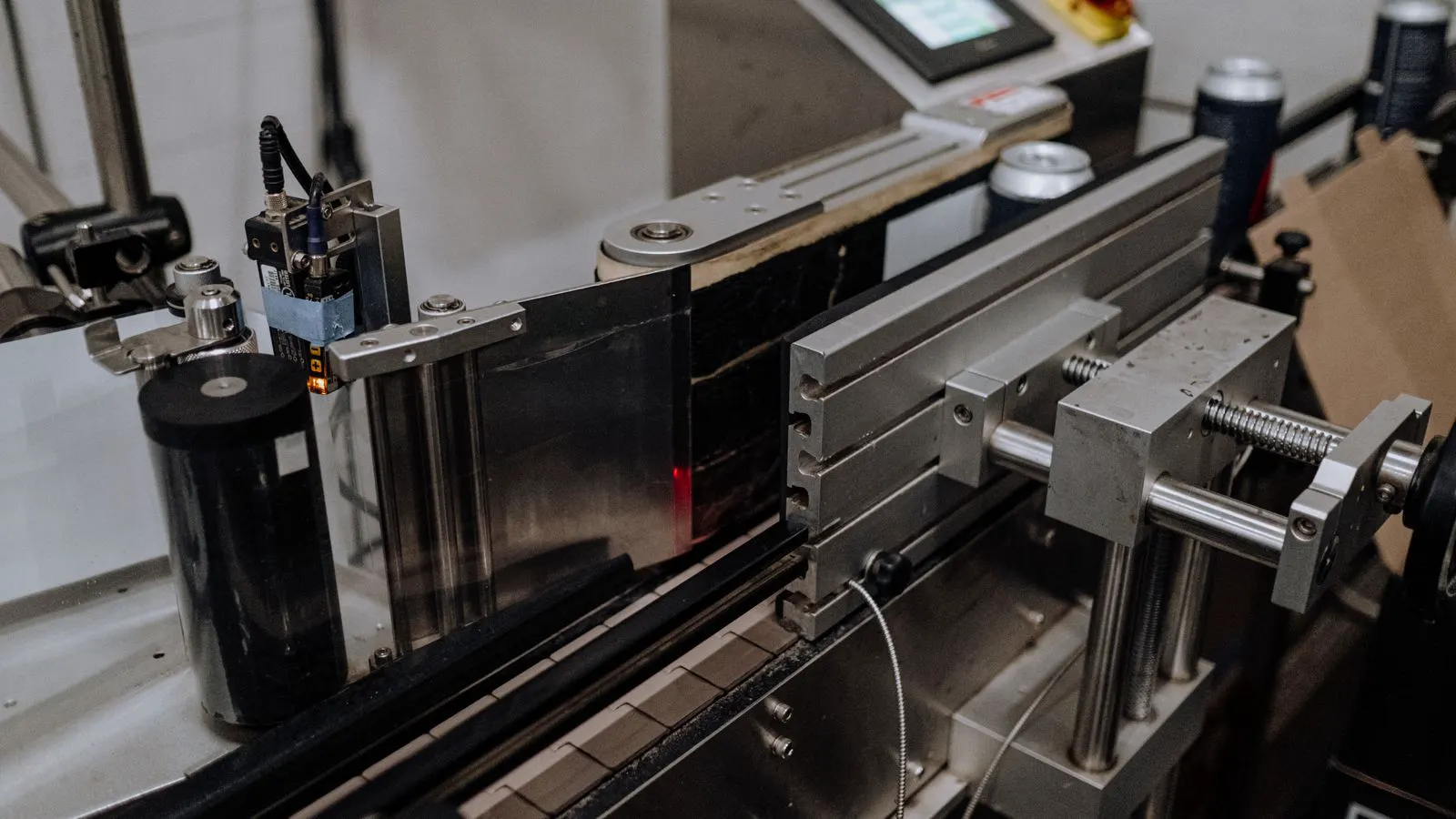
Harness testing automation changes how engineers verify electrical and mechanical performance. This guide outlines five shifts in wire harness quality control and cable
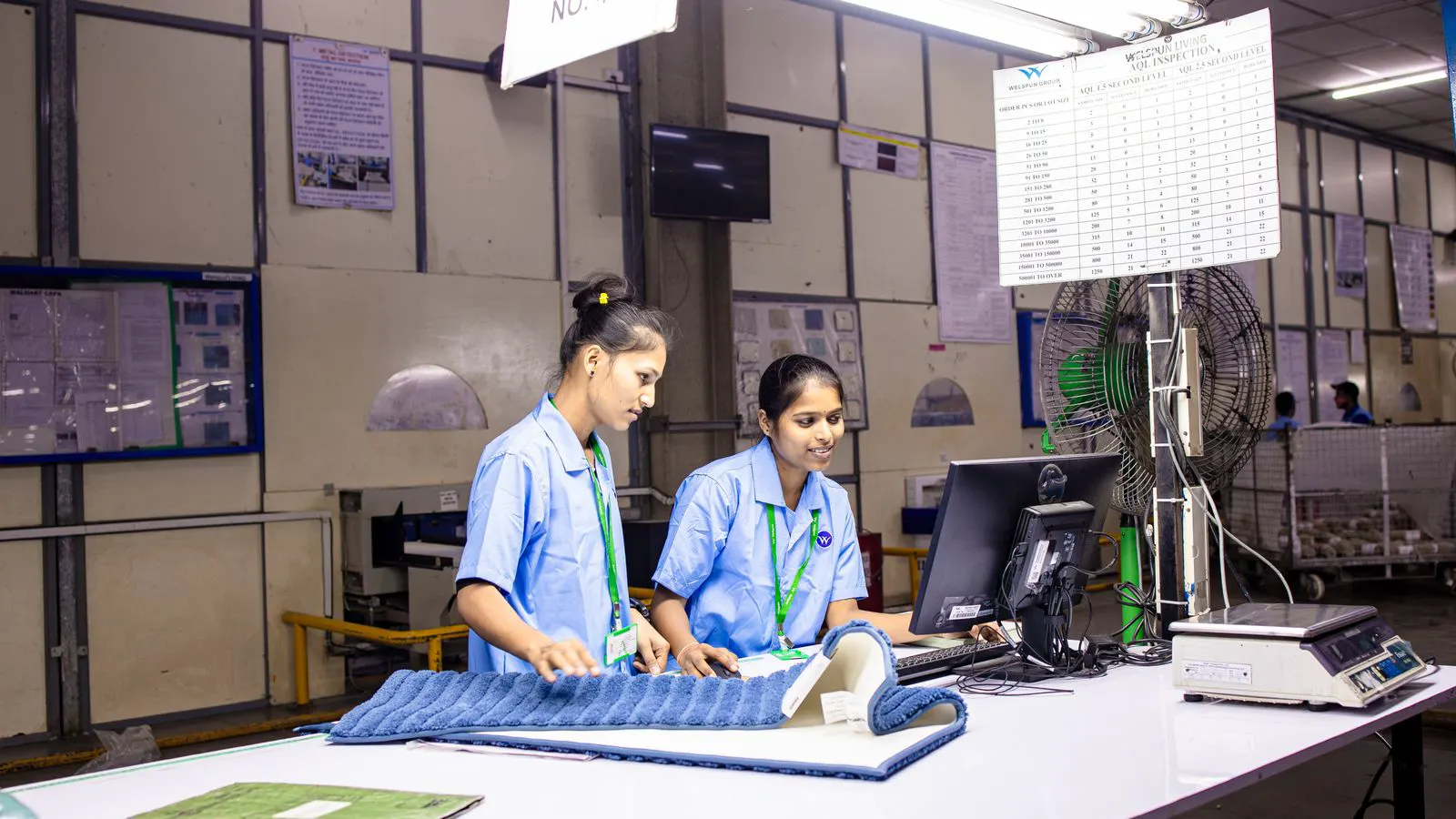
Wire harness quality assurance impacts cost and lead time through inspection depth, testing methods, and documentation requirements. Clear RFQ specifications help buyers
Manual wire harness testing relies on visual checks and manual continuity probes, while automated systems use fixtures and software for speed. Manual methods suit low
Cable inspection combines visual checks and mechanical validation to detect physical defects before release. It verifies insulation condition, connector seating, strain
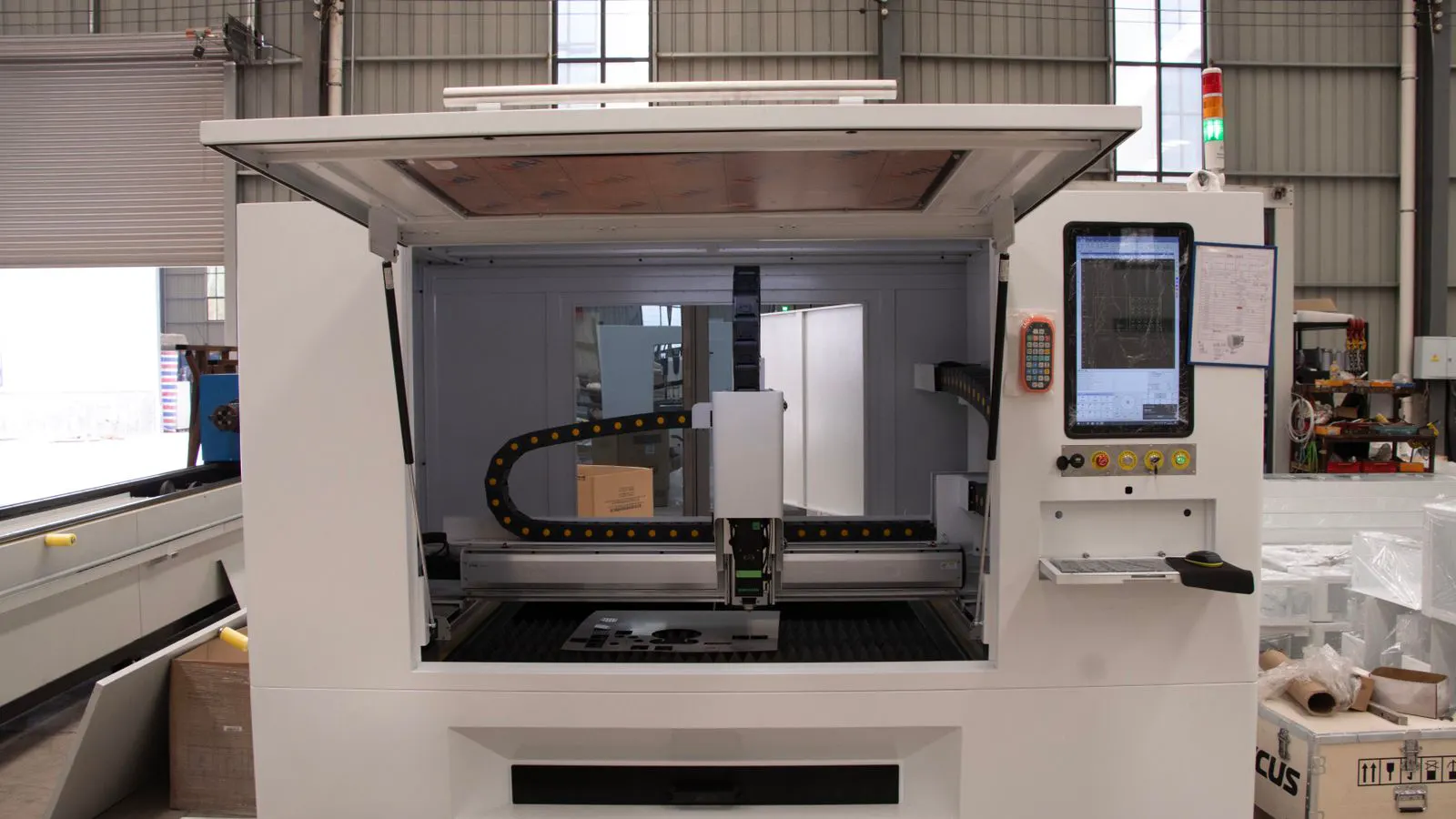
Wire harness quality control is shifting from manual spot checks to continuous, data-driven automation. Buyers should expect higher precision, integrated design
Intermittent harness failures often hide in loose connections, thermal expansion, or vibration. This guide explains how to use wire harness testing, vibration, and
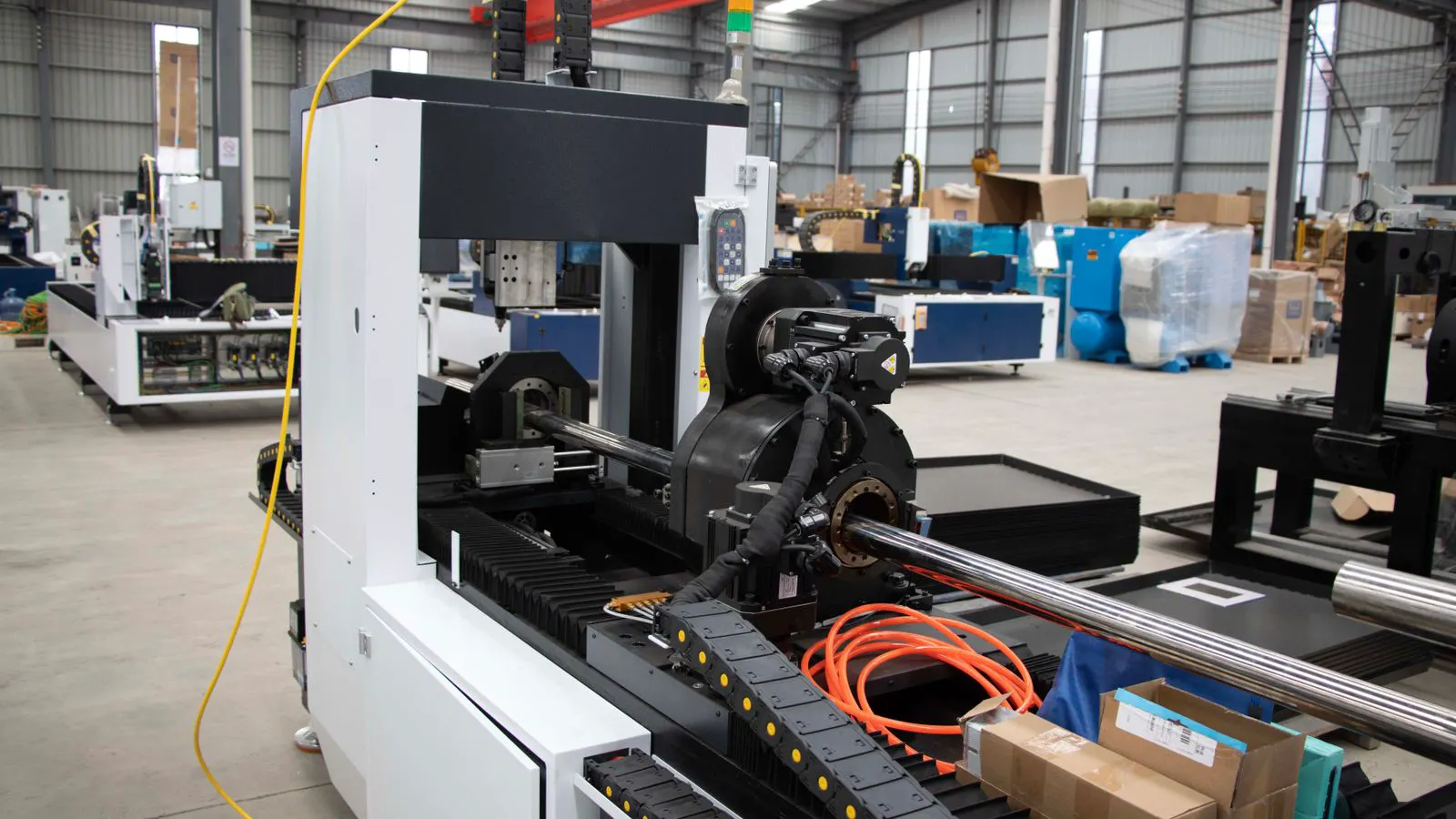
Automated wire harness testing systems reduce manual labor and improve inspection consistency. Buyers should evaluate test speed, connector compatibility, software
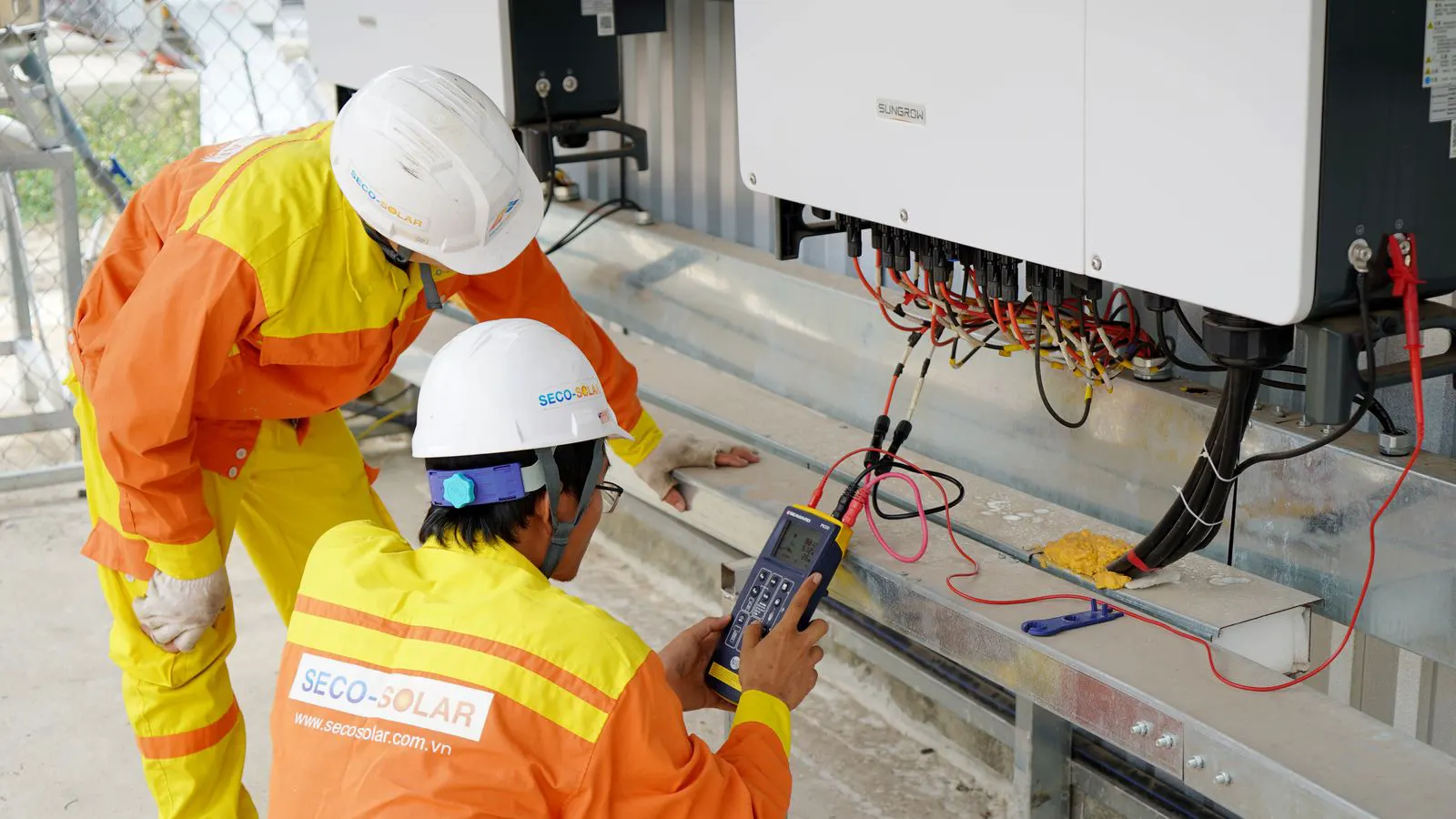
Electrical testing on cables uses a multimeter to verify continuity and detect shorts. This guide provides a step-by-step method for checking harness integrity
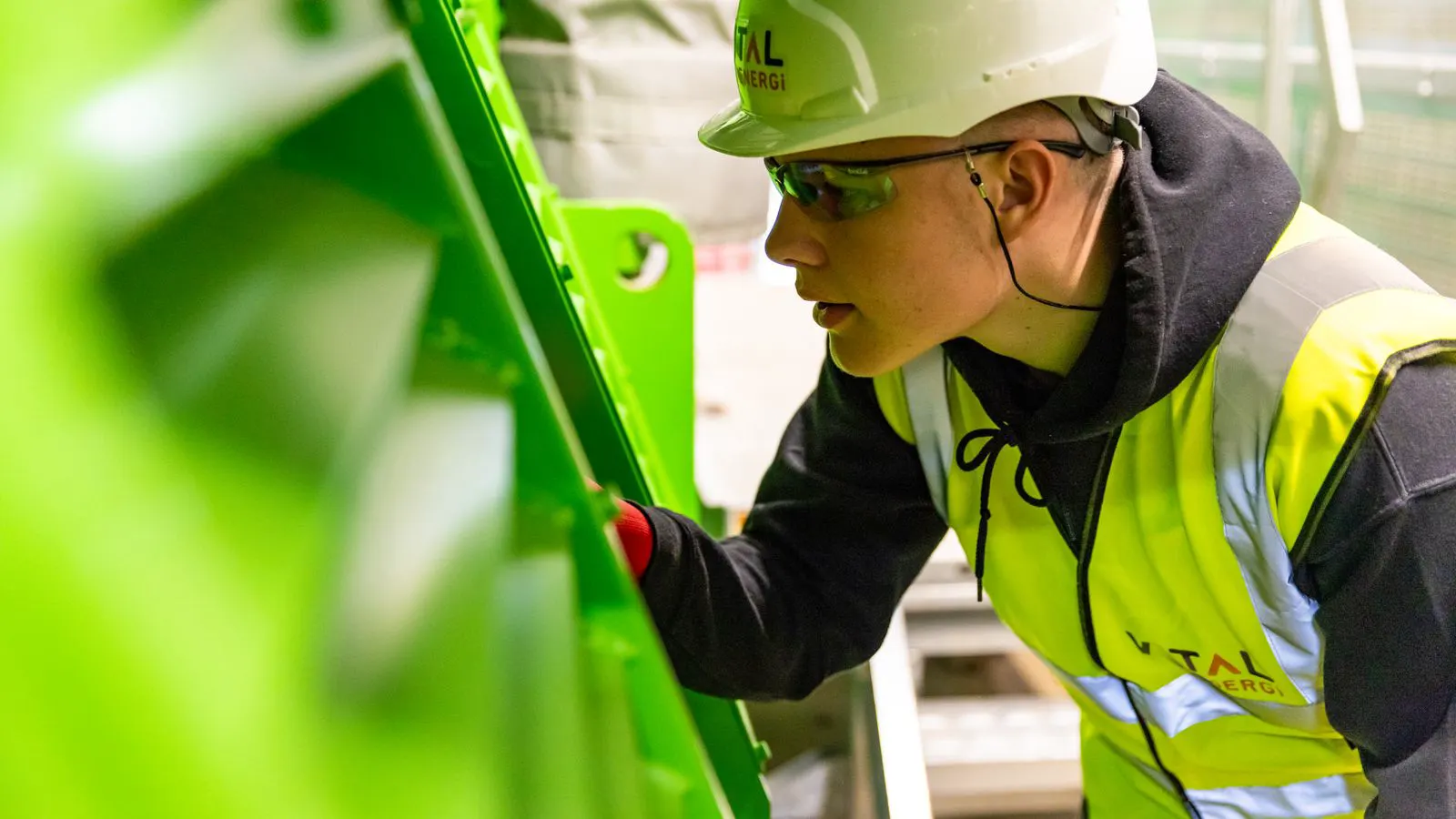
A finished harness requires a structured sequence of electrical, mechanical, and visual checks before release. This checklist covers insulation resistance, continuity