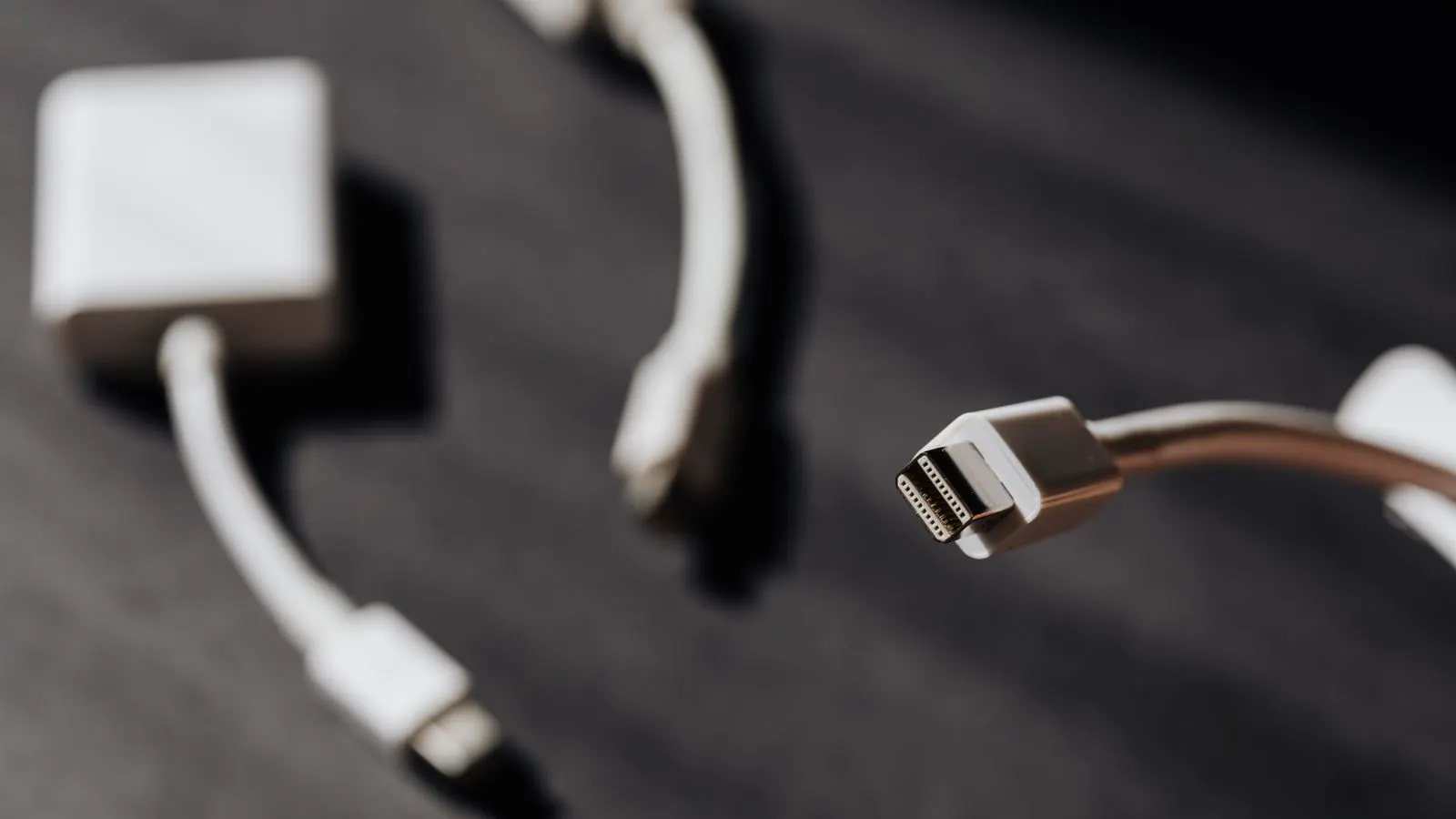
Connectors & Terminals
Cable Assembly Cost Drivers and Lead Time Factors
Cable assembly cost depends on wire length, termination type, testing depth, and environmental requirements. Lead time follows design complexity and material
Practical guidance for wire harness design, sourcing, and quality control
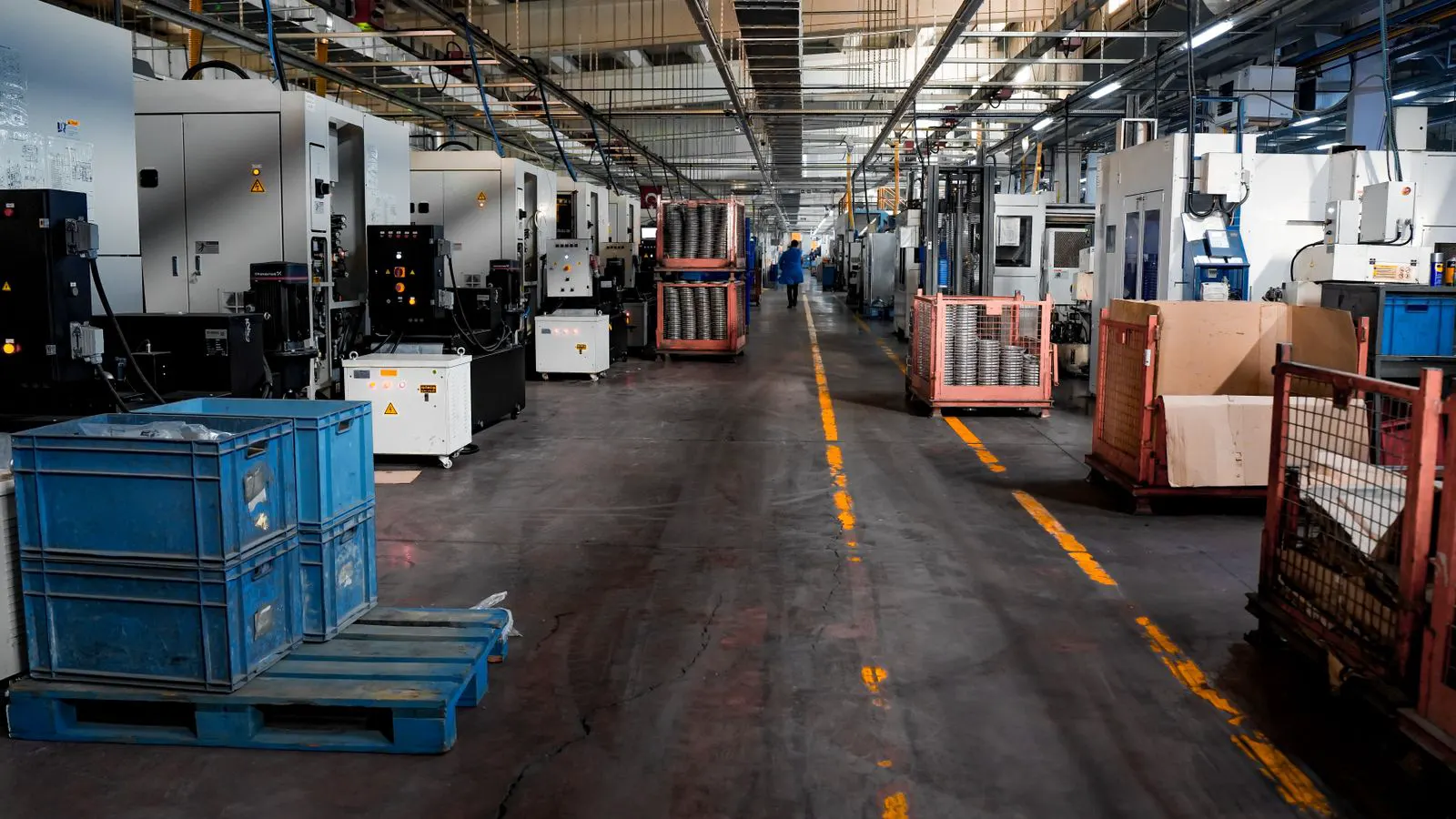
Wire harness buyers make decisions that affect assembly yield, field failures, and total cost of ownership. This site explains the technical and commercial factors behind those choices without vendor bias.
Readers find clear explanations of harness design, connector and terminal selection, cable materials, testing methods, standards, and cost or lead time considerations. The content is written to support practical decisions during specification, supplier evaluation, and quality review.
Start with the stage of the sourcing process you are in.
Practical guidance on routing, strain relief, and layout best practices for reliable wire harness assemblies.
Detailed comparisons of connector types, terminal selection, and mating systems for electrical interfaces.
Plain-language summaries of key industry standards and certification requirements for wire harness manufacturing.
Factors influencing pricing and delivery schedules for custom wire harness and cable assembly projects.
Cable assembly cost depends on wire length, termination type, testing depth, and environmental requirements. Lead time follows design complexity and material
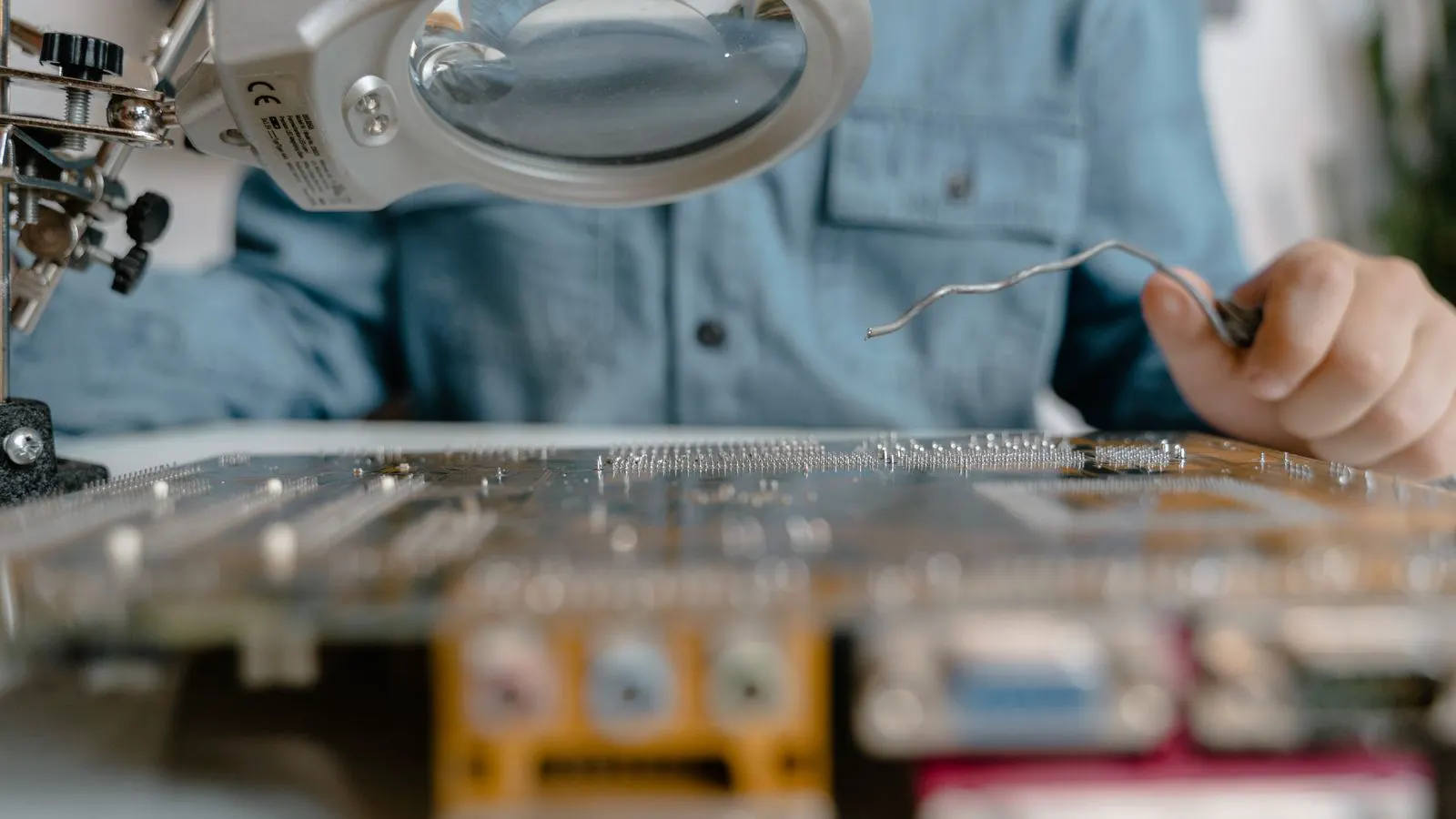
IATF 16949 is the required quality certification for automotive wire harness suppliers, while ISO 9001 serves industrial applications. The choice depends on the
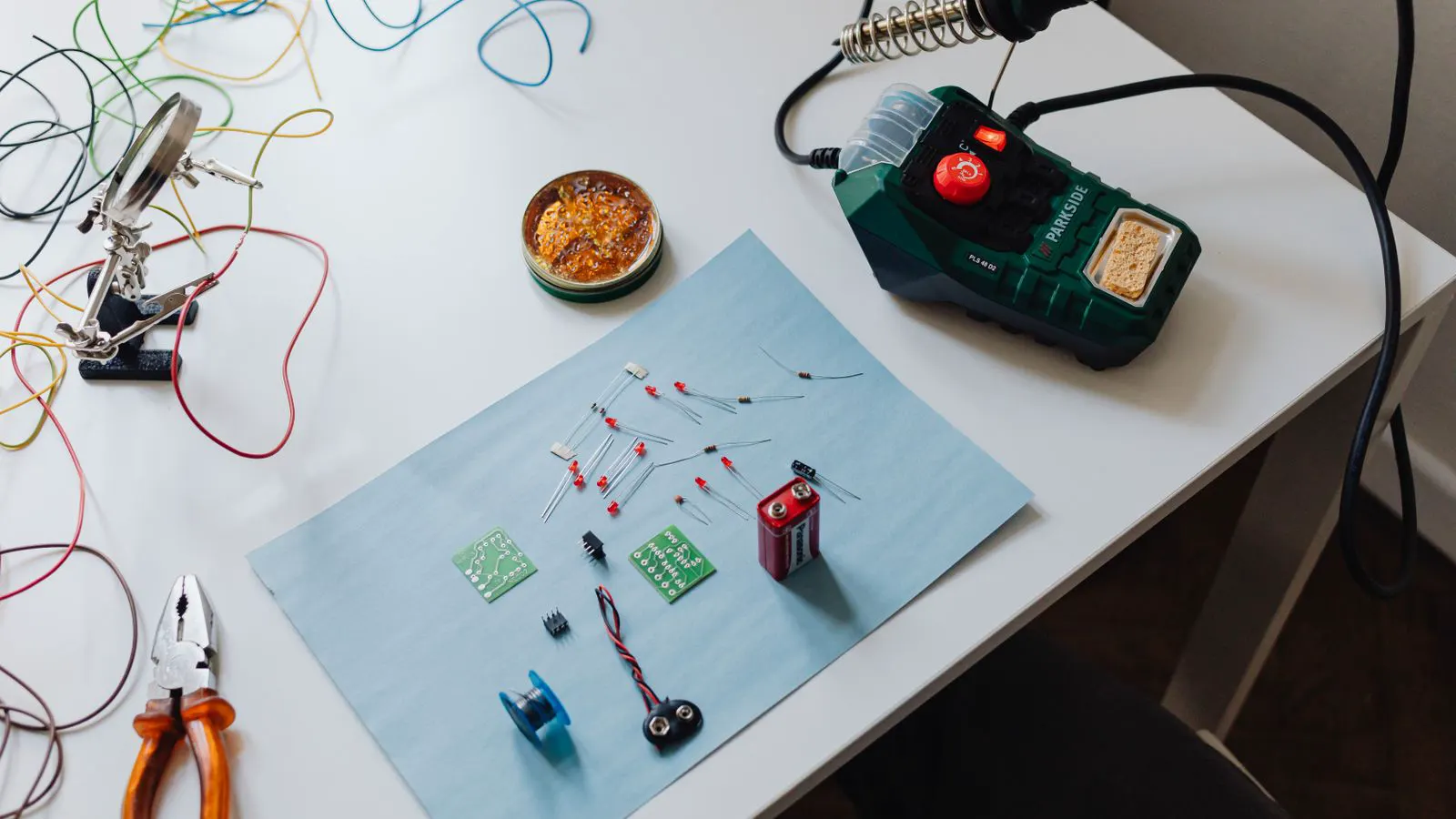
Modern wire harness design prioritizes serviceability, digital documentation, and modular routing. This guide outlines five practical shifts buyers should plan for
A wire harness is an assembly of insulated conductors, connectors, terminals, and protective materials, designed to transmit electrical signals or power between components.
A cable assembly is a structured group of conductors, often with shielding, insulation, and external armor, engineered for specific environmental and mechanical conditions.
Consider current rating, voltage, mating cycles, environmental exposure, tooling requirements, and compatibility with your harness design. Match the connector to the application, not to cost alone.
Typical failures include insulation breakdown, connector corrosion, terminal loosening, chafing, and moisture ingress. These often stem from poor design, material mismatch, or assembly defects.
Testing verifies insulation resistance, continuity, and mechanical integrity. It catches defects before the harness reaches production, reducing field failures and rework.
Review their quality systems, testing capabilities, material sourcing, lead time reliability, and past performance. Ask for sample builds and inspection reports to confirm capability.