
Harness Design
Troubleshooting Common Harness Routing Failures
Incorrect harness routing causes mechanical damage, electrical faults, and assembly delays. This guide lists common symptoms, likely causes, and fixes for wire routing
Practical guidance on routing, strain relief, and layout best practices for reliable wire harness assemblies.
Incorrect harness routing causes mechanical damage, electrical faults, and assembly delays. This guide lists common symptoms, likely causes, and fixes for wire routing
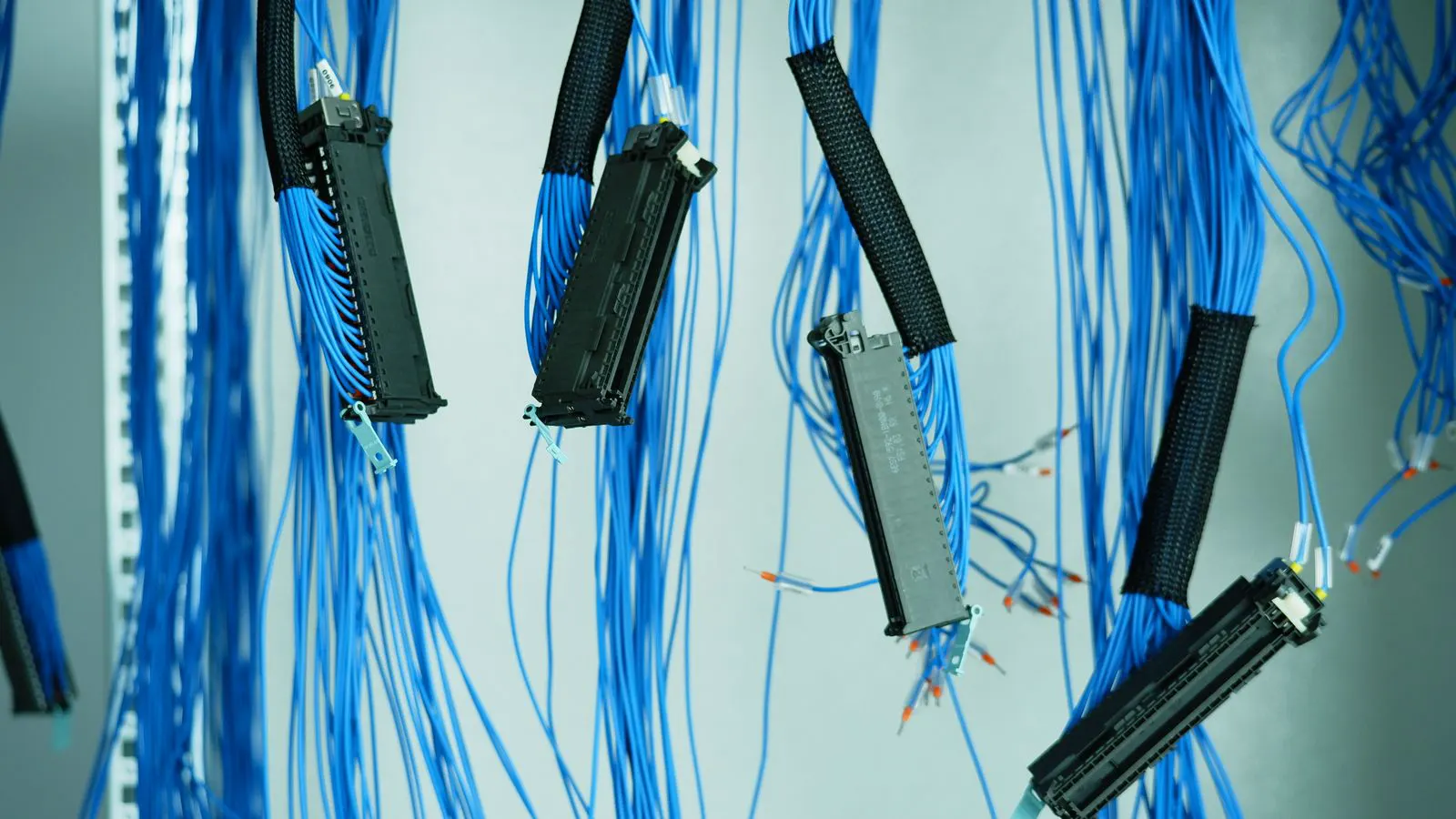
Wire harness pricing and delivery depend on routing complexity, connector count, cable lengths, and material choices. A clear RFQ with exact drawings and tolerances

Choose strain relief by matching material, geometry, and load ratings to your cable type and application. Check bend radius, attachment method, and environmental

Standard cable assembly layouts offer speed and lower cost for repeatable runs, while custom layouts fit unique equipment geometries. Choose based on production volume
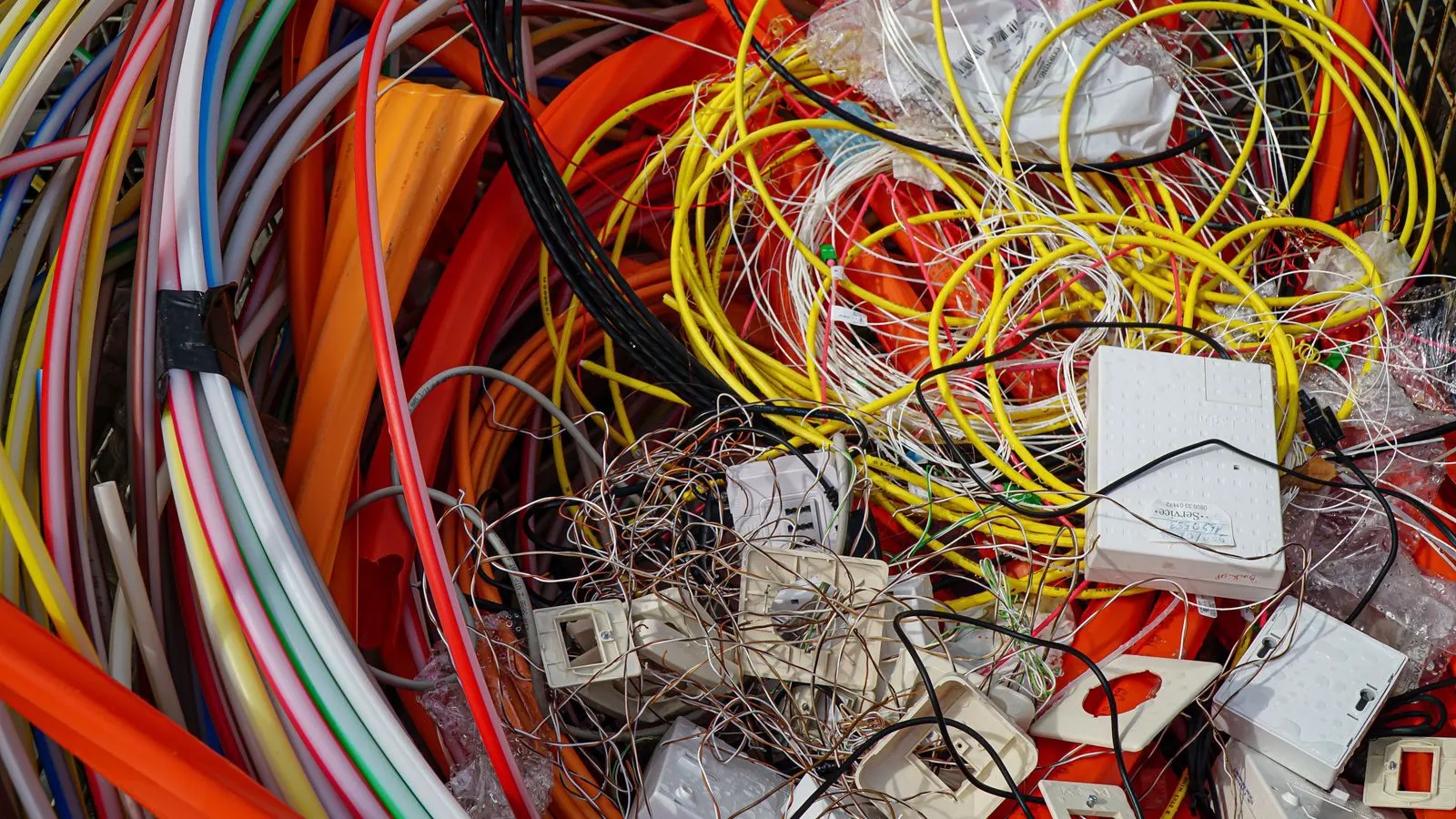
This checklist provides a structured, theme-based set of verification points for wire harness design. It covers mechanical checks, electrical safety, layout planning
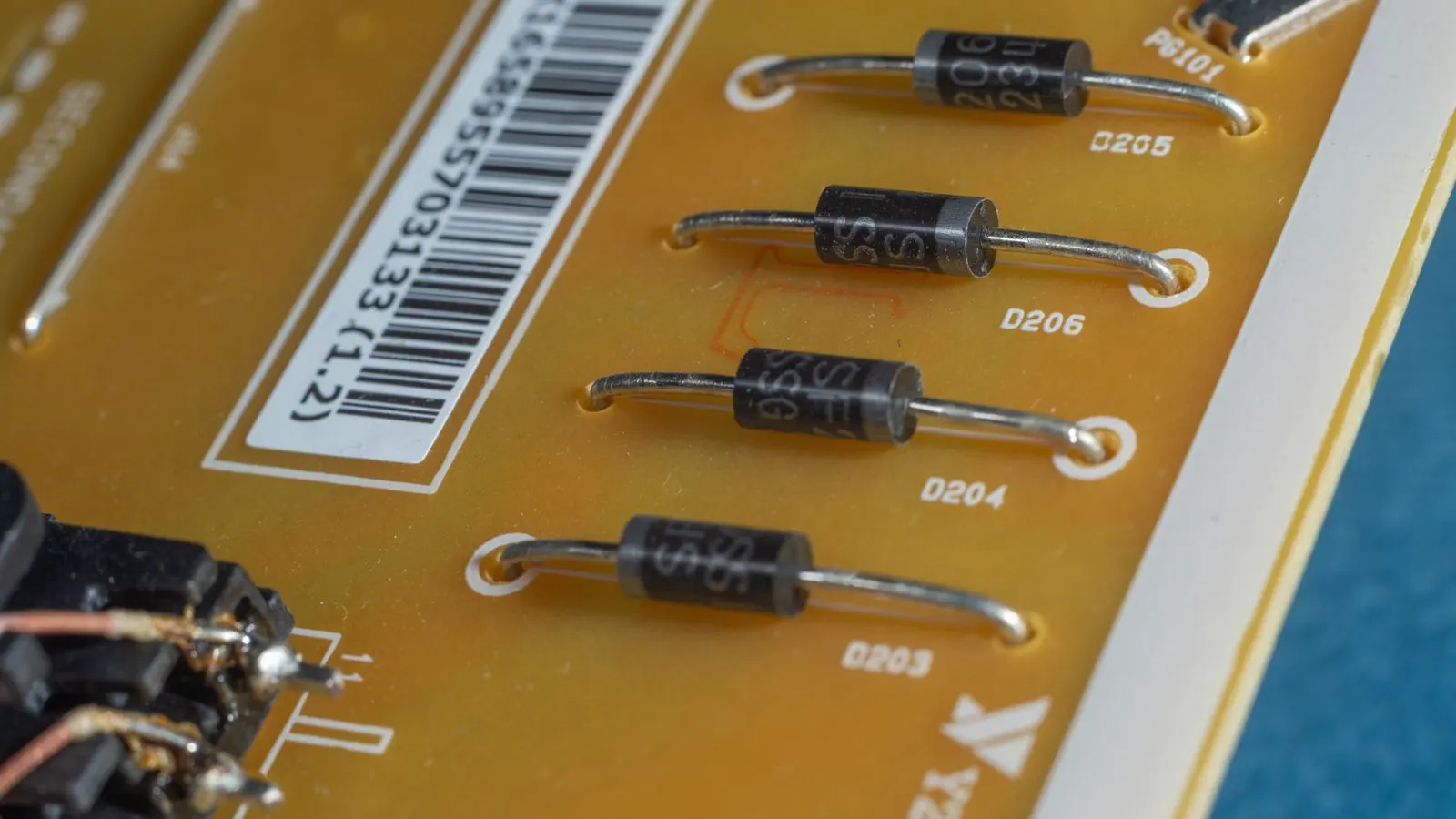
Wire routing ensures reliable harness performance by managing space, stress, and interference. Follow these steps to plan cable assembly layout, apply strain relief, and
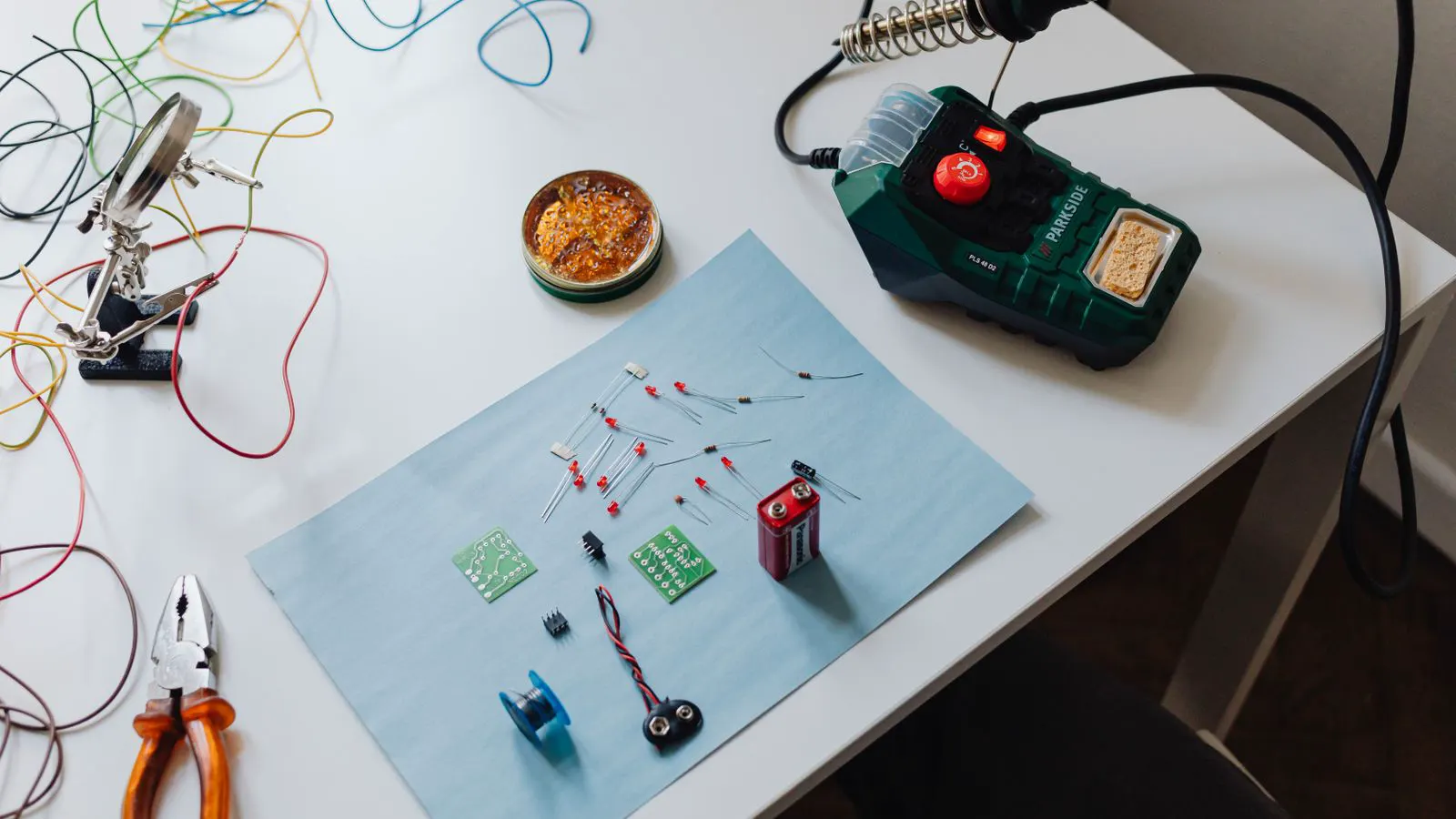
Modern wire harness design prioritizes serviceability, digital documentation, and modular routing. This guide outlines five practical shifts buyers should plan for