Wire harness quality assurance impacts cost and lead time through inspection depth, testing methods, and documentation requirements. Clear RFQ specifications help buyers set realistic budgets and timelines while ensuring final harness performance meets functional and safety standards.
- Quality assurance cost is driven by inspection depth, test methods, and required documentation rather than raw materials alone.
- Lead time depends on how early test plans are defined and whether the supplier can run parallel verification steps.
- A clear RFQ with specific pass/fail criteria reduces quote variance and helps compare bids fairly.
- Adding automated testing may increase upfront cost but can lower long-term defect rates and rework time.
- Budgeting for rework and retest cycles is usually more realistic than pricing only the initial build.
What drives the cost of harness quality assurance
Quality assurance spending on a wire harness project is rarely just about the machine that checks the final assembly. It is shaped by how many checks are required, how detailed the records must be, and how much rework the design or production process will likely demand.
A basic harness for a low-stakes application may need visual inspection and a simple continuity check. A harness for a medical device, industrial drive, or automotive control system may require electrical insulation testing, connector insertion force checks, dimensional verification, and traceable test logs. Each extra check adds labor, equipment time, and paperwork.
The cost also rises when the harness must meet a specific customer standard. If the buyer requires a test report for every unit, or if the supplier must keep records for a set period, the administrative burden increases. In some cases, the buyer must send the final harness to a third-party lab for independent verification. That adds shipping, lab fees, and extra lead time.
How testing methods change the budget
The choice between manual and automated testing affects both cost and speed. Manual inspection is often cheaper for low volumes because it requires less capital equipment and can be done with a trained technician and a few handheld tools. A technician can check continuity, insulation resistance, and connector fit with a multimeter or a simple continuity tester.
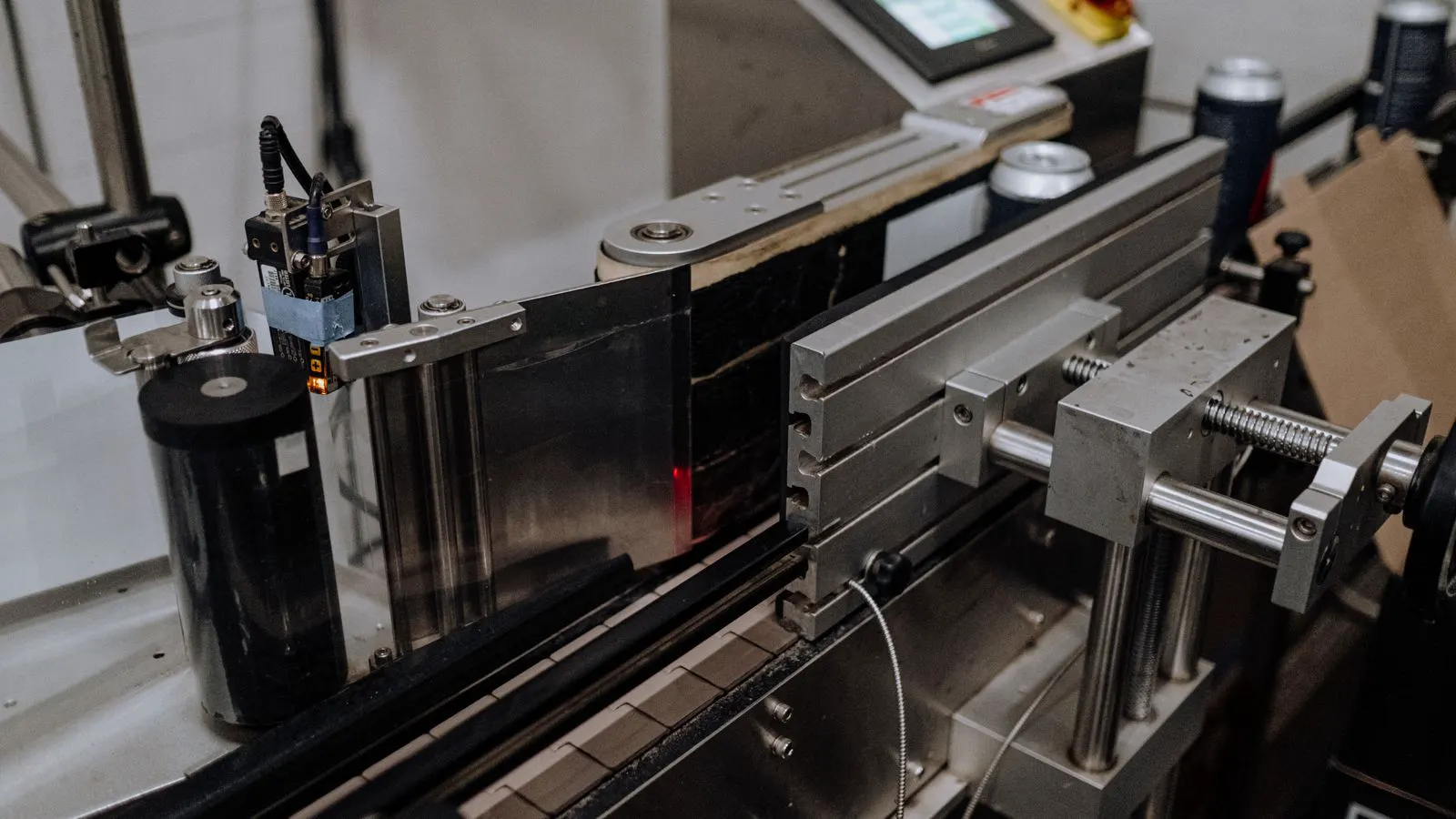
Automated test fixtures are more expensive to design and install. They may include programmable test points, data logging, and integration with the supplier’s production system. Once the fixture is built, however, each unit is checked in seconds rather than minutes. This reduces labor cost per unit and improves consistency. For a project with hundreds or thousands of identical harnesses, automated testing often pays for itself over time.
The trade-off is setup time. A manual process can start on the first unit. An automated process requires time to design the test plan, build the fixture, and verify that it catches the defects it is meant to catch. If the design changes late in the project, the fixture may need to be reworked, which adds cost and delays.
How quality requirements affect lead time
Lead time is not just the time to cut and crimp the wire. It includes the time needed to verify that the harness works. If the test plan is unclear, the supplier may build a prototype, test it, find a gap, and ask the buyer for clarification. That back-and-forth can add days or weeks.
Defining the quality requirements early helps. The buyer should specify which checks are required, what the pass criteria are, and what documentation must be delivered. For example, the RFQ should state whether the supplier must provide a continuity report, an insulation resistance report, a first-article inspection report, or a full test log per unit. If the buyer only needs a certificate of compliance, the supplier can use a faster verification path.
Lead time also depends on the supplier’s production flow. Some suppliers run inspection after every production batch. Others hold the final batch for testing before release. If the test station is busy with other projects, the harness may sit in a queue. Buyers who need a firm delivery date should ask the supplier to include a buffer for test and retest cycles.
How to write a clear RFQ that controls cost and schedule
A vague RFQ leads to vague quotes. If the buyer asks for “full testing” without defining what full means, each supplier may interpret that differently. One may include only a visual check and a basic electrical test. Another may include a full electrical safety test, dimensional check, and third-party inspection. The resulting quotes can look very different, and the buyer may not be able to compare them fairly.
A useful RFQ should list the specific verification steps. It should name the test types, the pass/fail limits, and the format of the delivery documents. It should also state the quantity, because testing cost per unit often changes with volume. A small batch may require more manual attention, while a large batch may justify automated testing.
The RFQ should also define what happens when a failure is found. Does the supplier rework the unit and retest it? Does the buyer accept a repaired unit, or must it be replaced? If the buyer requires replacement, the cost and lead time increase. If the supplier may rework and retest, the process can be faster, but the buyer must be confident in the supplier’s rework capability.
How to compare quotes fairly
When comparing quotes, do not look only at the unit price. Ask what is included in the quality assurance price. A low quote may exclude test reports, third-party inspection, or rework. A higher quote may include a full test plan and documentation package that saves the buyer time later.
Ask each supplier to break the cost into build, test, and documentation. This makes it easier to see where the price comes from. It also helps the buyer decide whether to reduce scope or increase scope. If the budget is tight, the buyer may choose a less detailed test plan. If the application is high-risk, the buyer may pay more for a more detailed plan.
The supplier should also explain its lead time. Ask how long the test setup takes, how many units can be tested per hour, and whether the test station is dedicated to this project. A supplier with a short lead time for the build but a long lead time for testing may not be the best fit for a project with a hard delivery date.
Cost drivers in harness quality assurance
The table below lists common cost drivers and how they affect budget and schedule.
| Cost driver | What it affects | Typical impact on project |
|---|---|---|
| Inspection depth | Labor and equipment time | More checks mean higher cost and longer verification time |
| Test method | Setup and per-unit cost | Manual testing is cheaper upfront, automated testing reduces per-unit labor |
| Documentation requirements | Administrative cost | Per-unit reports and records add cost and may require data review |
| Third-party inspection | Lab fees and shipping | Adds cost and lead time but can support compliance or customer approval |
| Rework policy | Failure handling | Replacement is slower and costlier than rework and retest |
| Design stability | Test fixture and rework | Late design changes can delay fixture setup and increase rework |
Practical examples of cost and schedule impact
Consider a project for a small batch of 50 control harnesses. The buyer needs a basic continuity check and a visual inspection. The supplier can use a manual test bench and deliver reports within a few days after the harnesses are built. The cost is mostly labor time and a small amount of consumables.
Now consider a project for 5,000 identical harnesses for a machine line. The buyer needs an electrical test that checks multiple circuits and connector integrity. The supplier may build an automated test fixture. The fixture cost is spread across the 5,000 units, and the test time per unit is short. The project may have a higher initial cost, but the total cost can be lower than doing 5,000 manual checks.
A third example is a low-volume, high-risk harness for a prototype. The buyer may need a full test plan because the design is not proven. The supplier may run a prototype through a manual test sequence, then build a small batch for verification. The cost is higher because the test plan is broad, and the lead time is longer because the supplier must confirm that the harness performs before final production.
How to reduce cost without cutting quality
The goal is not to remove checks. It is to align the checks with the risk and the application. If the harness will be used in a non-critical position, a basic electrical test and visual inspection may be enough. If the harness will be used in a safety-related or high-voltage position, the test plan should be more detailed.
Buyers can reduce unnecessary cost by avoiding over-specification. If the buyer asks for a test method that is not needed for the application, the supplier will charge for it. If the buyer asks for reports that no one will review, the cost adds up without adding value. The quality plan should match the risk.
Buyers can also reduce schedule risk by giving the supplier enough time to set up testing. If the buyer needs a fast delivery, the supplier may need to build the test fixture earlier. If the buyer changes the design after the fixture is built, the schedule can slip. Clear design freeze points help.
What to ask the supplier before accepting a quote
Before accepting a quote, the buyer should ask for a written test plan. The plan should list the checks, the pass criteria, and the documents that will be delivered. The buyer should also ask for a sample report so they can see the format. If the buyer needs a specific report format, the supplier should confirm that it can provide it.
The buyer should ask about rework. If a unit fails, what is the process? How long does rework and retest take? Is there a limit on the number of rework cycles before the unit is scrapped? This information helps the buyer understand the real lead time and cost.
The buyer should also ask about the supplier’s test capability. If the supplier uses a third-party lab, who is responsible for the schedule? If the supplier uses in-house testing, what equipment is used and how often is it calibrated? These details matter, especially for regulated or safety-related applications.
Common mistakes that raise cost and delay delivery
One common mistake is leaving the test plan undefined until after the quote is received. The supplier then has to make assumptions, and those assumptions may not match the buyer’s expectations. The result is a quote that is hard to compare and a project that may need to be re-scoped.
Another mistake is asking for more documentation than the application requires. If the buyer does not need a per-unit test log, asking for one adds cost without adding value. The documentation package should be based on risk and compliance needs, not habit.
A third mistake is underestimating rework. If the design has tight tolerances or difficult connector placements, the first batch may have more failures than expected. The supplier may need to rework units and retest them. If the buyer did not budget for that, the project can run over cost and schedule.
A fourth mistake is choosing the lowest quote without asking what is included. A low price may exclude testing, documentation, or rework. The buyer should compare the scope, not just the number.
A practical checklist for buyers
Use the following checklist when planning the quality assurance part of a harness project.
- Define the application risk. Is the harness for a critical safety function, a high-voltage circuit, or a low-stakes control function?
- List the required checks. Include visual inspection, continuity, insulation resistance, connector checks, and any other tests the application requires.
- Set pass/fail criteria. State the limits for each check so the supplier can verify against a clear standard.
- Decide the documentation. Specify what reports or certificates are needed and in what format.
- Define the rework policy. Decide whether failed units are reworked or replaced, and who pays for retest.
- Confirm the lead time. Ask the supplier to include test setup, testing, and retest cycles in the delivery date.
- Review the quote scope. Make sure the quote includes the testing and documentation the buyer expects.
- Ask for a sample report. Confirm that the report format matches what the buyer needs.
- Freeze the design early. Reduce late changes that can delay test setup or require rework.
- Plan for variation. Budget for a small rework cycle if the design is new or the process is not proven.
How this fits with the rest of the quality process
The cost and lead time of quality assurance are connected to the testing method and the inspection standard. A visual and mechanical inspection may be part of the final check, but it is not always enough. An electrical continuity test may be required, and an intermittent failure may need a different diagnostic approach. The quality plan should cover the checks that matter for the specific harness and application.
The buyer does not need to know every technical detail of the test method. The buyer needs to know what the supplier will check, what the pass criteria are, and what documents will be delivered. With that information, the buyer can control cost and lead time without over-specifying the work.
The bottom line is simple. Quality assurance is not a line item that can be added at the end. It is part of the project from the start. The clearer the test plan, the fairer the quote comparison, and the more predictable the delivery.
Frequently asked questions
How much does quality assurance add to a wire harness project?
It depends on the number of checks, the test method, and the documentation required. A basic project may see a small increase, while a regulated or high-risk project may see a much larger increase.
Can I reduce quality assurance cost by skipping tests?
You can reduce cost by removing checks that are not needed for the application, but you should not remove checks that support safety or compliance.
Does automated testing always cost more than manual testing?
Not always. Automated testing has higher setup cost, but it can lower per-unit cost for larger volumes and reduce labor time.
How does lead time change when I require more testing?
More testing usually adds time for test setup, execution, and retest cycles. If the test station is busy, the lead time can be longer than the build time.
What should I include in my RFQ to control cost?
Include the required checks, pass/fail criteria, documentation format, rework policy, and quantity. This helps the supplier price the work accurately and makes quote comparison fairer.