Production automation changes how harness manufacturers handle repetitive tasks, quality checks, and material handling. Buyers should expect shorter lead times, tighter tolerances, and different pricing models as robotics and software take over manual steps. Planning for these shifts protects delivery schedules.
- Automating repetitive tasks like routing and termination reduces cycle time and human error in large batch runs.
- Software integration between design files and shop floor systems shortens setup time before the first unit leaves the line.
- Buyers should request clear documentation on how automation affects quality gates and rework handling.
- Lead time reduction depends on the complexity of the harness, not just the speed of the robots.
- Pre-production documentation quality directly influences how quickly automated lines can start production.
How automation changes the production floor
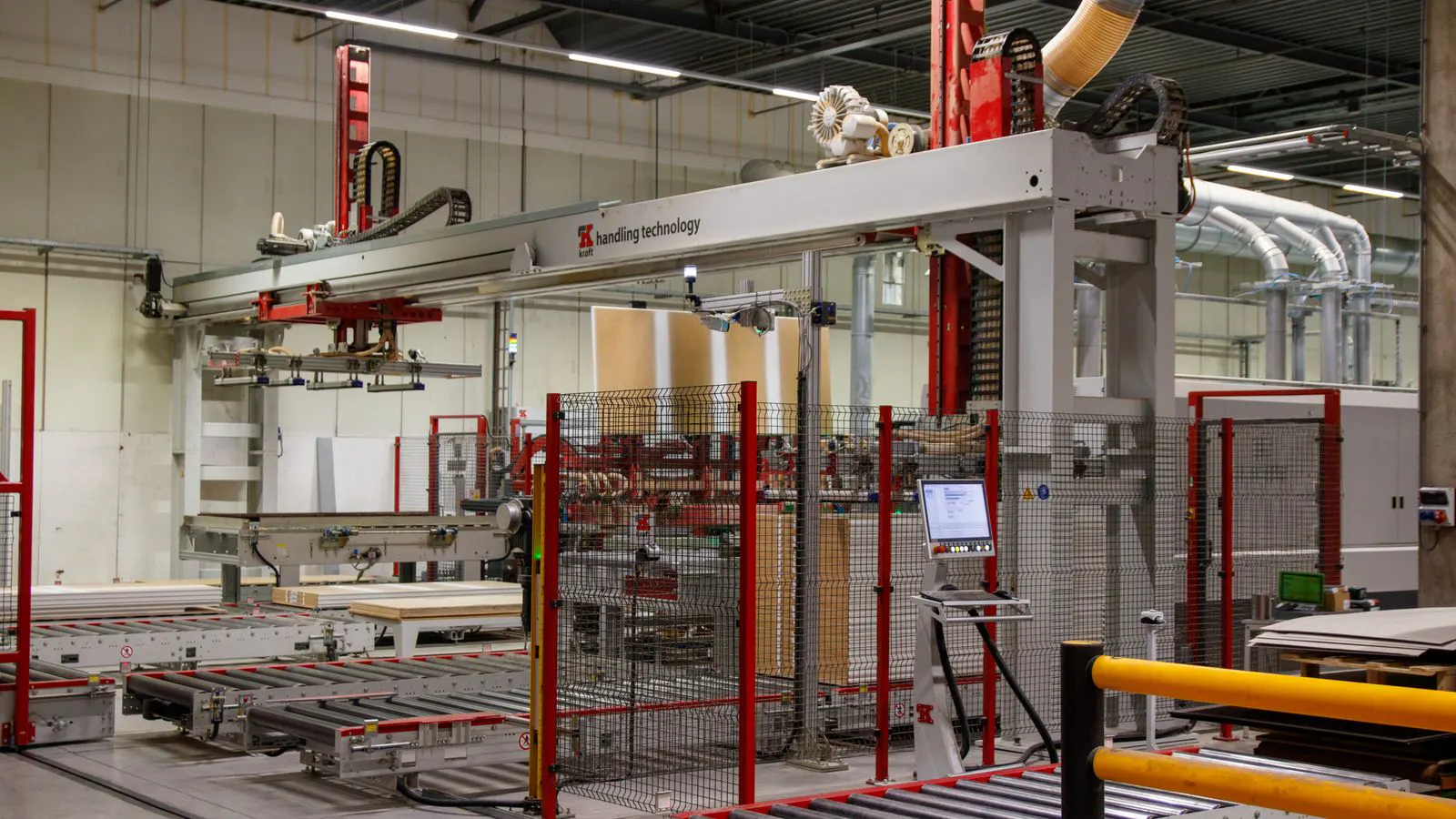
Production automation replaces manual labor in specific stages of harness assembly. Instead of operators cutting, routing, and crimping each section by hand, machines and robots take over those physical movements. This shift changes the rhythm of the factory. A single operator may now oversee several workstations at once. The physical speed of the line increases, but the human role moves toward monitoring, programming, and exception handling.
The change is not uniform across every manufacturer. Small shops may still rely on manual labor for complex, low-volume designs because the setup cost for automation does not justify the run length. Larger contract manufacturers use automation for high-volume automotive and industrial harnesses. In those cases, the machines handle repetitive termination and routing with consistent precision. The buyer sees this as fewer defects and less rework, which lowers the total cost per unit.
Consider a typical industrial control panel harness. In a manual setup, a technician uses a ratcheting crimper to secure each terminal. If the technician is rushed, the crimp may be too loose or too tight. Over time, this inconsistency leads to intermittent connections in the field. An automated line uses a hydraulic or pneumatic crimper with a fixed die. The tool applies the same force to every terminal. The operator steps in only when the machine jams or a wire slips. The result is a uniform connection profile that holds up under thermal cycling.
Which processes benefit most from automation?
Termination and routing are the two areas where automation delivers the most immediate gain. Crimping machines apply pressure at a consistent angle and force. This prevents the partial crimps and broken strands that occur when hand tools are used under pressure to meet a deadline. Automated routing guides the cable through pre-set channels. The machine remembers the exact path for each revision. When a design changes, the operator updates the program. The line then follows the new path without retraining workers on the physical movement.
Inspection is another major area. Cameras and sensors check for wire misalignment, exposed conductors, and connector seating. These checks happen at high speed and do not tire. A human inspector might miss a defect in a large batch after hours of work. A machine checks every unit the same way. This consistency reduces the need for secondary inspection and cuts the time spent sorting good units from bad ones.
In a medical device harness, for example, a twisted pair must maintain a specific spacing to prevent signal crosstalk. Manual routing often results in slight variations in twist rate or bundle tightness. An automated bundling station uses a mechanical guide that forces the wires into a fixed geometry. The machine can also verify the bundle length and tension before it moves to the next station. This level of precision is difficult to replicate by hand, especially when the production volume requires speed.
What impact does automation have on lead time reduction?
Lead time reduction comes from two sources: faster physical work and shorter setup time. When the machine performs the task, the cycle time per unit drops. A hundred units that took a day on a manual line might finish in a fraction of that time on an automated line. The second source is setup. In the past, changing from one harness design to another required retraining operators and adjusting physical fixtures. With automated lines, the change is often a software update. The machine loads the new file and begins. This cuts the non-production time between orders.
However, lead time is not just about the line speed. It is about the whole chain. If the design files are incomplete or the BOM is wrong, the automated line will produce the wrong part quickly. Automation amplifies the quality of the input. It does not fix bad input. A complete pre-production checklist prevents the machine from running on bad data. This is why buyers who send clean documents get faster turnaround. The machine waits for the data, not for a person to figure it out.
A common bottleneck in manual production is the time spent calibrating hand tools for different wire gauges. If the design uses 18 AWG, 22 AWG, and 24 AWG conductors, the operator must change dies or adjust tension manually between sections. An automated system loads the correct tool parameters from a digital file. The transition between gauges is instant. This eliminates the downtime associated with physical tool changes and keeps the line moving continuously.
How does automation change the cost structure?
The cost per unit tends to drop as the run length increases. Automation requires capital investment. That cost is spread over thousands of units. For a small run of twenty custom harnesses, the automation cost is high relative to the total. The manufacturer may still use manual labor because it is cheaper for that specific order. For a run of ten thousand, automation becomes the standard. The price per unit falls because the fixed costs are absorbed by volume.
Buyers should expect a different pricing model than with fully manual shops. There is less room for on-the-spot negotiation. The cost is tied to the machine hours and the setup time. If you change the design halfway through production, the setup cost increases. This makes the initial design critical. Every change after the line is programmed adds time and cost. The cost structure shifts from labor hours to machine hours and setup time.
In a contract manufacturing agreement, this shift often appears in the pricing schedule. Manual shops may quote based on estimated labor hours per unit. Automated shops may quote based on machine cycles and setup fees. For example, a complex harness with multiple connector types may incur a higher setup fee because it requires multiple tool changes and calibration steps. The buyer must account for this in the total cost of ownership. If the design is stable, the savings on unit cost can outweigh the higher setup fee.
Five shifts buyers should plan for
-
Shorter turnaround for standardized designs.
If your harness follows a known architecture, the automated line can start faster. The setup is shorter. The first good unit comes out sooner. Plan your schedule based on this speed. Do not add extra buffer for manual setup delays that no longer exist. -
Higher penalty for late design changes.
The machine is programmed for a specific revision. Changing the revision requires a new setup. This costs time and money. Lock the design early. Use a clear revision control process. Treat the design freeze date as a hard boundary. -
Different quality metrics.
Automation reduces random human error. It creates consistent output. The defects that remain are usually systemic, like a bad sensor or a faulty tool. The quality report will show different patterns than a manual line. Review the data accordingly. Look for tooling issues, not operator fatigue. -
Smaller teams, different skills.
The manufacturer will need fewer operators and more technicians. The technicians program the machines and troubleshoot software. This means the human contact is technical. Your questions should be specific. Ask about machine calibration and software versions. Do not ask for general labor adjustments. -
New documentation requirements.
Machines need digital files. A paper drawing is not enough. You must provide CAD files, BOMs, and routing data in digital formats. The quality of these files determines the speed. Send them early. Check them for completeness. The cleaner the file, the faster the line.
How to prepare for an automated supply chain
Start by reviewing your documentation. Check your BOM for missing part numbers or ambiguous descriptions. Verify that your CAD models match the final design. Send a sample of your digital files to the manufacturer before the contract is signed. Ask them to test the files on their system. This reveals errors before the line starts.
Next, define your quality gates. Decide what happens when a machine detects a defect. Does the line stop? Does it flag the unit for manual review? Agree on this process upfront. A clear rule prevents arguments during production.
Finally, negotiate the change order process. Agree on how many changes are included in the base price. After that, each change costs extra. This protects the manufacturer and gives you a clear budget. If you need flexibility, build it into the cost. Do not assume changes are free. Automation makes changes expensive because it requires reprogramming.
The practical outlook for the next five years
Manufacturing trends show a continued move toward digital integration. The gap between the design office and the factory floor is closing. Software connects the two. This reduces the time for data transfer and interpretation. The result is faster production and fewer errors. Buyers who invest in clean digital documentation will see the benefit. They will get faster lead time reduction and lower costs.
The technology is not magic. It requires good input and skilled operators. The machines are only as good as the data they receive. A bad file creates a bad product. A good file creates a fast, high-quality product. The shift is from manual labor to data quality. Prepare your documents. Lock your designs. Work with manufacturers who use these tools. Your delivery schedule will improve. Your costs will stabilize. Your quality will be consistent.
Frequently asked questions
Does automation work for small batch production?
It depends on the run size. For very small batches, manual labor is often cheaper because the setup cost for automation is high. For medium batches, automation can be economical.
How do I know if my design is ready for an automated line?
Check your digital files. The CAD models must be complete. The BOM must match the drawing. The routing data must be accurate. Send a sample file for testing before production.
Will automated production be more expensive than manual?
For small runs, it may be. The setup cost is high. For large runs, the cost per unit drops. The total cost depends on the volume and the complexity of the harness.
Can I make changes during automated production?
Yes, but it costs extra. Each change requires reprogramming the machine. This adds setup time. Changes after the line is running are slower and more expensive than changes before production starts.
How does automation affect the quality of the harness?
It reduces random errors. The output is consistent. The defects that remain are usually due to bad input data or tooling issues. Review the quality report to identify the root cause.