Soldering adds time because it requires preparation, heat application, flux management, and inspection. Each step requires setup, material handling, and verification. Understanding this helps buyers plan production schedules accurately.
- The soldering process requires specific temperature control and material preparation before heat is applied.
- Each solder joint needs visual inspection to confirm a proper bond and no defects.
- Soldering adds to assembly time through setup, execution, and quality checks.
- Sourcing decisions must account for solder wire types and flux requirements.
- Planning for inspection time prevents production delays at the final stage.
Why Soldering Takes Longer Than Crimping
Soldering differs from crimping because it creates a metallurgical bond rather than a mechanical one. A crimping tool presses conductors into a barrel connector in seconds. Soldering requires heat to melt the solder alloy and flow into the gap between wire and terminal. This chemical and physical change cannot be rushed without risking a weak joint.
The difference matters when building a schedule. A production line that crimps connections can run at a steady pace. A line that solder connections must manage heat sources, flux application, and cooling periods. Each step adds a fixed amount of labor and machine time. Buyers often underestimate this overhead because the final connection looks identical to a crimped one from a distance.
What the Soldering Process Actually Involves
The soldering process is a sequence of distinct actions. It starts with preparation. The wire end must be stripped, tinned, and cleaned before heat is applied. If the conductor is oxidized, the solder will not wet properly. The operator uses a wire brush or a flux pen to remove surface contamination. This step is manual and varies by operator skill.
Next, the operator positions the wire against the terminal pad or cup. They apply heat with a soldering iron or a hot air gun. The temperature must be high enough to melt the solder but not so high that it damages the wire insulation or the board. Solder wire is fed into the joint from a spool. The operator watches the flow of molten metal. They look for a smooth fillet shape that indicates good wetting.
Finally, the joint cools. The operator must not move the wire while the solder solidifies. If the joint is disturbed, it can become cracked or cold. This waiting period is built into the cycle time. For high-density harnesses with many connections, these small pauses accumulate quickly.
How Heat Sources Affect Assembly Time
The choice of heat source changes the production rhythm. A traditional soldering iron works well for small batches or spot repairs. It requires the operator to hold the tip to the joint for several seconds. This manual holding time slows the pace. The operator must reposition the iron for every connection.
Automated soldering stations use different equipment. Wave solderers pass a board through a bath of molten solder. Reflow ovens heat a board in a controlled oven. These methods are faster for large runs but require significant setup. The operator must load the board, set the temperature profile, and monitor the process. There is no hands-on control during the heating phase.
Each method has its own time cost. Wave soldering is fast per unit but requires a long cool-down time before the next load. Reflow ovens require precise temperature ramps. The soldering process is only one part of the cycle. The setup and teardown time for the machine often exceeds the actual soldering duration.
The Role of Flux in the Process
Flux is not just a cleaning agent. It is a chemical that removes oxidation and allows the solder to flow. Without flux, the solder would bead up and fail to bond to the metal. The type of flux changes how long the operator must work.
Some fluxes require removal after the joint cools. This adds a washing or wiping step. Other fluxes are no-clean and can be left on the board. No-clean fluxes speed up the process because they skip the cleaning cycle. However, they may require specific solder wire formulations to work correctly.
Sourcing decisions must account for flux compatibility. If a supplier offers solder wire without specifying the flux type, the assembly team may need to test the combination. Failed tests waste time and material. The soldering process includes material selection, not just the physical act of joining.
Inspection and Quality Checks
Every solder joint requires verification. A good joint looks shiny and has a smooth, concave fillet. A bad joint may look dull, have a gap, or show a ball of solder instead of a fillet. The operator must inspect each joint visually.
For critical applications, additional checks are required. X-ray inspection can detect voids inside the joint. Electrical testing can confirm continuity. These tests add time to the assembly schedule. A line that skips inspection may produce defects that fail in the field.
The inspection step is where hidden time appears. An operator can solder a joint in five seconds. They may spend ten seconds checking it. If the joint fails, they must rework it. Reworking a bad joint takes even longer than the original operation. The soldering process includes a quality assurance loop that extends the total cycle time.
Sourcing and Material Considerations
Choosing the right materials affects how smoothly the production runs. Solder wire comes in different alloys. Some alloys have lower melting points and are easier to handle. Others require higher temperatures and more skilled operators. The choice depends on the application requirements.
Wire gauge also matters. A thin wire heats up quickly. A thick wire holds heat and may require more solder. The soldering process must match the material properties. If the wire is too thick for the heat source, the joint will not form correctly.
Sourcing decisions should include a margin for variation. Different lots of solder wire can behave differently. The flux may have a different concentration. The terminal material may have a different surface treatment. A robust sourcing plan includes sample testing and a buffer in the schedule.
A Worked Example
Consider a harness that connects a sensor to a control board. It has eight connections. The wire is 22 gauge. The terminal is a flat pad on a PCB.
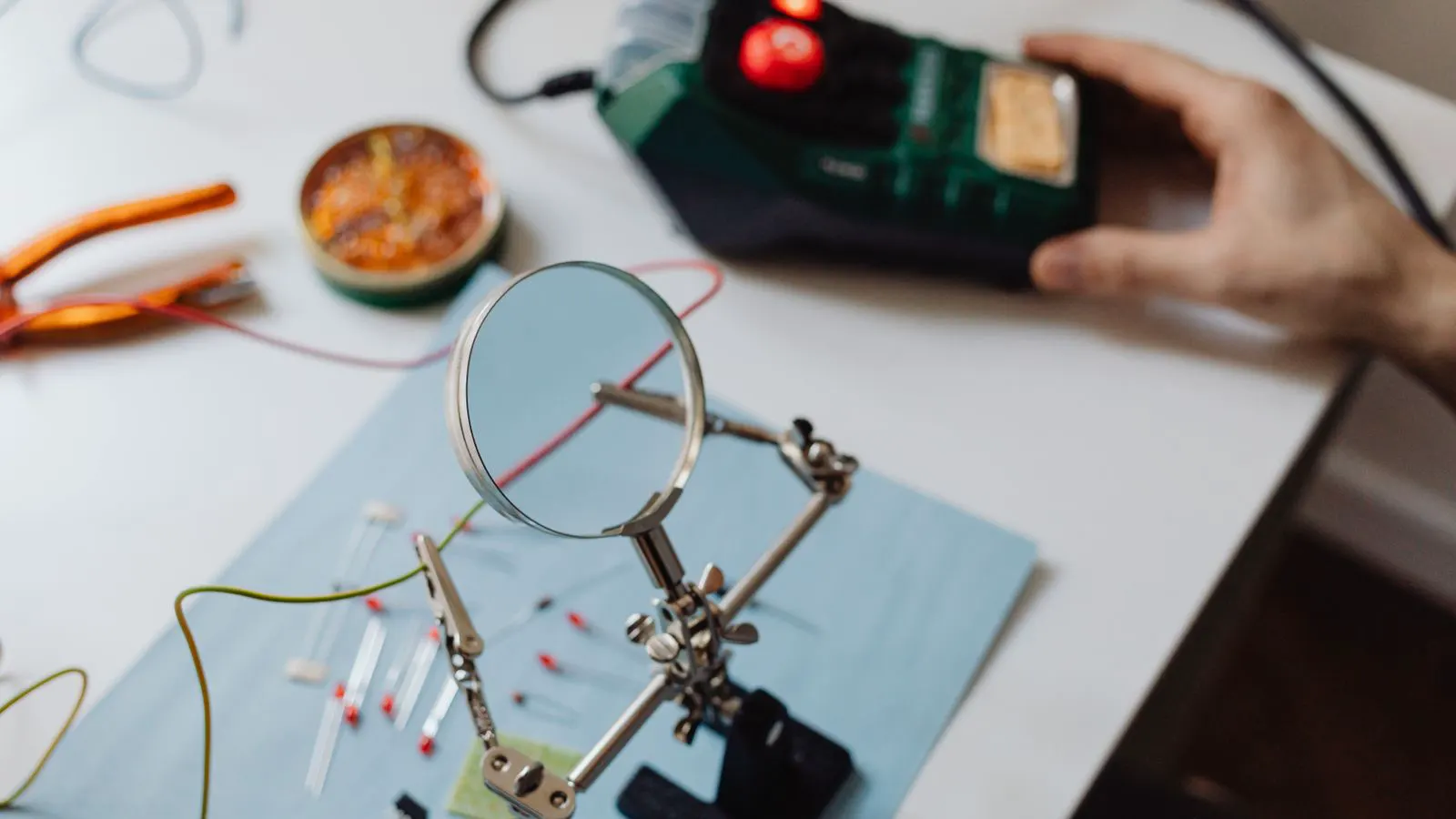
The operator strips the wire end. They clean it with a flux pen. They heat the pad and the wire with a soldering iron. They feed solder from a spool. The solder flows into the joint. The operator waits for it to cool. They check the joint with a magnifier.
This happens for each of the eight connections. The time is not just the melting of the solder. It is the preparation, the heating, the feeding, the cooling, and the checking. If one joint fails, the operator must clean it and try again. The total time for the eight connections is higher than eight times the melting time. It is the sum of all the steps.
A production schedule that only counts the soldering time will be wrong. It must count the setup, the inspection, and the rework potential. The soldering process is a multi-step operation. Each step adds to the assembly time.
How This Impacts Production Planning
Buyers need to build the soldering process into their lead times. A quote that includes soldering should reflect the labor and inspection time. If the supplier uses automated reflow, the quote should reflect the oven time and setup. If the supplier uses hand soldering, the quote should reflect the operator skill and the inspection checks.
When comparing quotes, look at the assembly time breakdown. Ask how many connections are made by hand and how many by machine. Ask about the inspection method. Ask about the rework rate. These details reveal the true cost of the soldering process.
The lead time is not just the time to ship the product. It is the time to plan, source, assemble, and inspect. The soldering process adds complexity to this chain. Understanding each step helps buyers avoid delays and surprises.
Final Thoughts
The soldering process is more than melting metal. It is a controlled operation that requires preparation, heat management, and verification. Each step adds to the assembly time. The total lead time reflects the sum of these activities.
When selecting a supplier, ask about their method. Hand soldering and automated soldering have different time profiles. The solder joints must be reliable, but the process must fit the production schedule. A clear understanding of the soldering process leads to better planning and fewer delays.
Frequently asked questions
Does soldering always take longer than crimping?
Yes, soldering generally takes longer because it involves heat application, flux management, and inspection steps that crimping does not require.
Can soldering be automated to reduce assembly time?
Yes, wave soldering and reflow ovens can speed up the process for large batches, but they add setup and cool-down time to the overall schedule.
What is the main reason solder joints fail?
Poor preparation is the main cause. If the wire is oxidized or not cleaned properly, the solder will not wet the surface and the joint will be weak.
Does the type of solder wire affect assembly time?
Yes, different alloys have different melting points and flow properties. Some require higher heat and more skill, which can slow down the soldering process.
How should buyers plan for soldering in lead times?
Buyers should include time for preparation, heating, cooling, and inspection. They should also account for potential rework if a joint fails the quality check.